Back to top

Steam Tables

Hot food loses quality without proper holding, and a steam table keeps items ready for service without overcooking or drying out. Used in cafeterias, catering lines, and busy kitchens, these units hold multiple dishes at consistent temperatures while supporting steady service flow.

When timing, portion control, and presentation matter, Restaurant Equippers’ steam tables become a core part of the serving line. Find your ideal option below.

Steamed white rice in a stainless steel food service pan.Steamed white rice in a stainless steel food service pan.

What a Steam Table Does and Where It Fits in Foodservice Operations

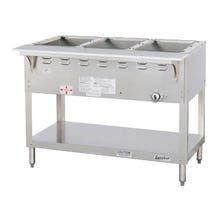
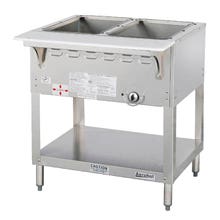
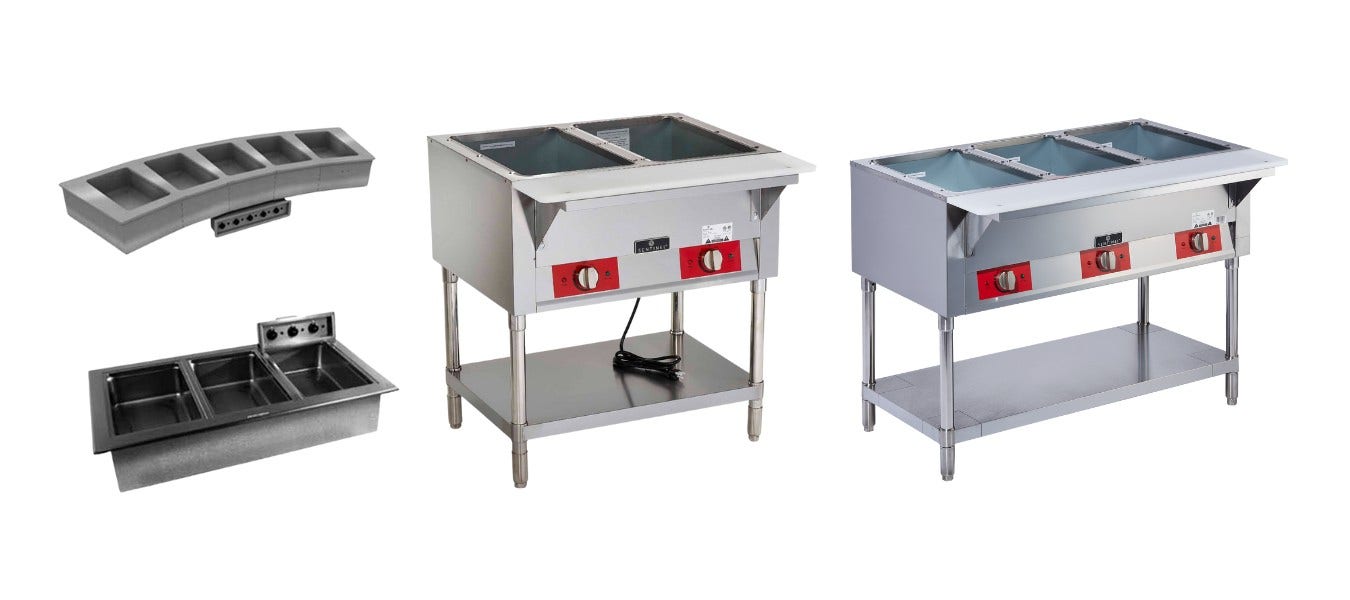
A steam table is a commercial holding unit that uses controlled heat to keep prepared food at safe serving temperatures. Steam tables work by heating water or sealed wells beneath food pans, allowing items to stay hot without direct contact with a heat source. 

Wet Heat vs. Dry Heat Steam Tables Explained

Steam tables operate using either wet heat or dry heat, depending on how food needs to be held during service. Each method affects moisture retention and food texture. 

Wet-heat steam tables use water in the wells to generate steam, which helps retain moisture in foods such as vegetables, rice, and sauces. Dry heat steam tables, however, operate without water. They use heated wells to hold items that should stay firm or crisp. 

Electric Steam Table vs. Natural Gas Steam Table

The power source of a steam table affects installation, operating costs, and heat recovery. Choosing the right option depends on kitchen infrastructure and service demands. 

Electric steam tables offer simple installation and consistent heat control, making them ideal for facilities with limited access to gas. On the other hand, natural gas steam tables provide fast heat recovery and lower operating costs in high-volume service environments. 

Pan Configurations and Capacity Planning for Steam Tables

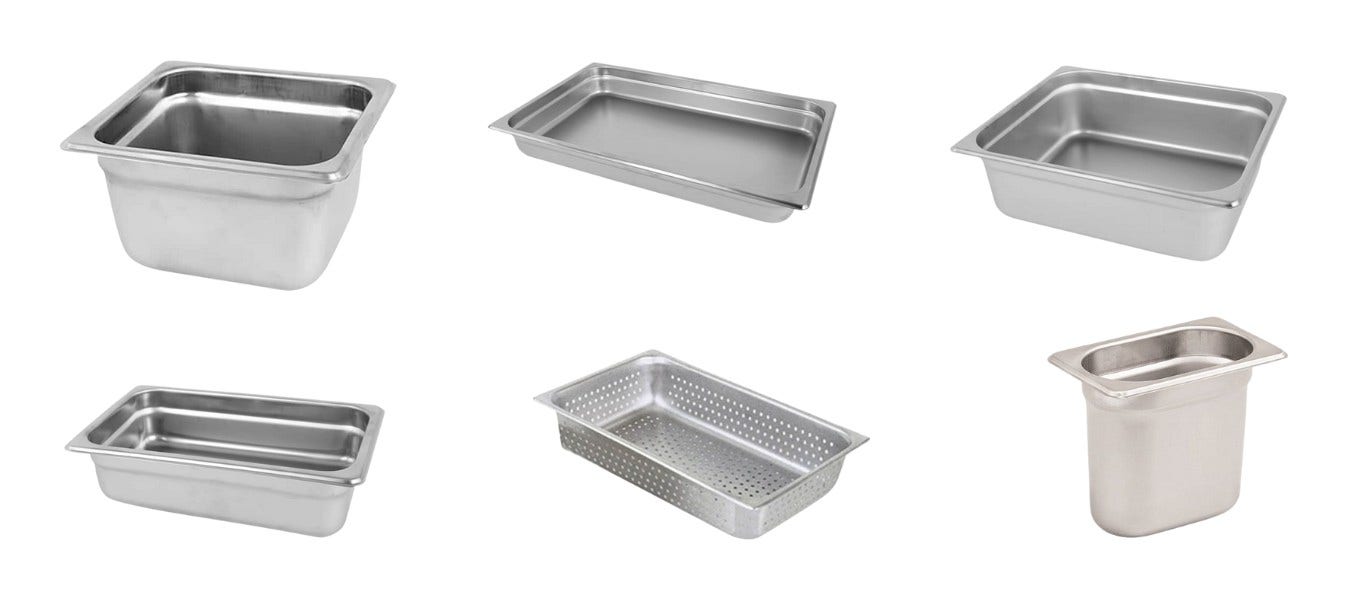
Steam tables support various pan sizes and layouts to match menu offerings and service volume. 

Full-size, half-size, and fractional pans allow operators to portion food efficiently while maximizing available space. Proper capacity planning helps reduce refills during service and keeps food presentation consistent across the line.

Choosing the Right Steam Table for Your Service Style

The right steam table for your operation depends on how food is served and managed during service. Before selecting from available steam tables, operators should consider how the unit fits into the daily workflow and customer interaction.

Take the time to ask yourself the following questions to determine which steam table would be most suitable for you and your team:

  1. Is the steam table customer-facing or back-of-house? Serving lines and buffets often require guardrails or sneeze guards, while kitchen-only setups prioritize speed of service.
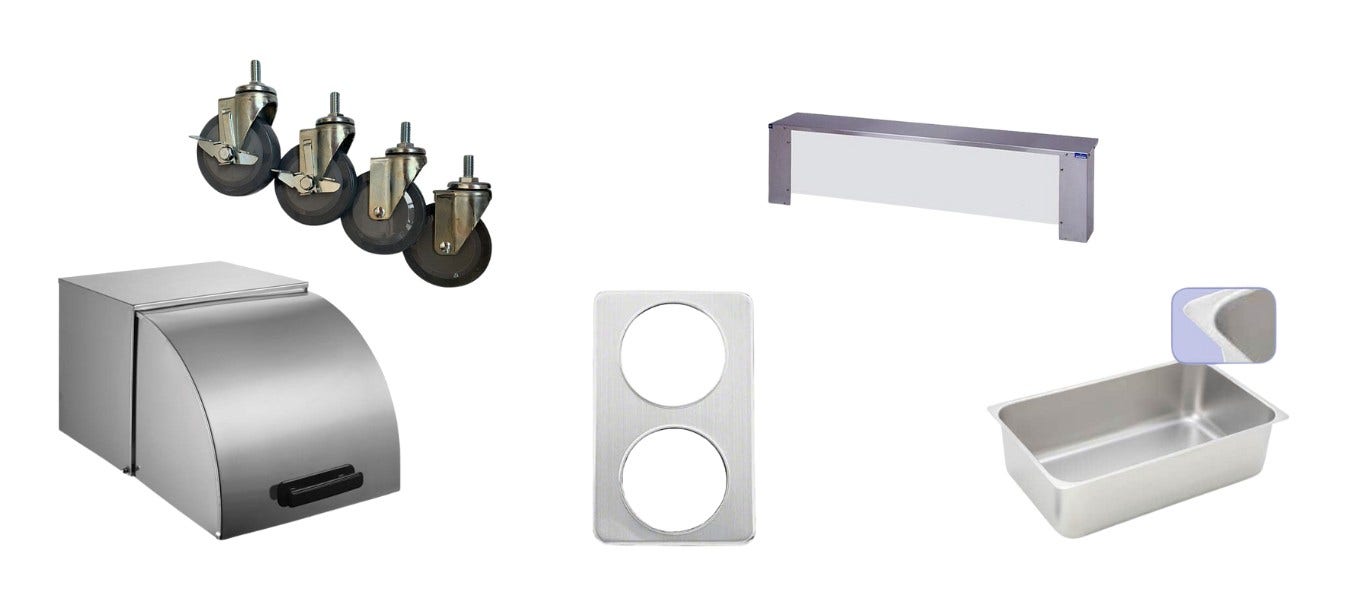
  2. Will the unit stay in one place or move during service? Mobile steam tables with casters support catering and flexible layouts, while stationary units are ideal for permanent service lines.
  3. How long does food remain on the line? Extended holding periods call for precise temperature control to maintain quality over time.
  4. Who controls the unit during service? Front-of-house use favors simple controls, whereas kitchen-managed steam tables allow for more precise adjustments.
  5. How does the steam table integrate with existing equipment? Height, length, and access points should align with counters, serving stations, and workflow patterns.

Steam Table FAQs for Commercial Kitchens and Catering Operations

Do steam tables need constant water refilling during service?

Many steam tables require periodic water checks, especially wet heat models. Water usage depends on operating time and temperature settings, so staff should monitor levels to keep the steam table running consistently.

Can steam tables be used outdoors or for temporary events?

Certain steam tables are suitable for temporary setups like catering events when paired with proper power or gas access. Mobile designs make transport easier, but outdoor use should account for weather and surface stability.

Are steam tables intended for cooking food?

No. A steam table is built for holding food at serving temperature, not cooking raw items. Food should be fully prepared before placement to maintain safety and quality during service.

What accessories are commonly used with steam tables?

Common steam table accessories include sneeze guards, cutting boards, pan dividers, and undershelves. These additions help adapt steam tables to specific service styles and layouts.

Shop Commercial Steam Tables Online or In Store With Restaurant Equippers

Find the steam table that matches your service style, menu volume, and layout needs. With Restaurant Equippers, you can shop commercial steam tables online or visit one of our warehouse locations to see options in person. You can also contact our team for help selecting the right configuration.

Keep hot food ready, organized, and moving smoothly through service every day with a brand-new steam table.

RECOMMENDED FOR YOU