Toggle Nav

Sign In
Search
Columbus Warehouse Store
635 West Broad St
Columbus, Ohio 43215
Current Store Selected
- Monday - Friday: 8:00am-5:00pm
- Saturday: 8:00am-12:00pm
- Sunday: closed
- Phone: (614) 464-0505
- Toll-free: (800) 235-3325
- Fax: (866) 534-6024
Detroit
27041 Greenfield Road
Southfield, Michigan 48076
Current Store Selected
Pennsauken Warehouse Store
5241 State Hwy 70
Pennsauken, New Jersey 08109
Current Store Selected
- Monday - Friday: 8:00am-5:00pm
- Saturday: 8:00am-12:00pm
- Sunday: closed
- Phone: (856) 254-0042
- Toll-free: (855) 493-8009
- Fax: (877) 369-1108
My Store for Pickup:
No Store Selected for Pickup- Home
- Refrigeration & Ice
- Pass-Through Refrigeration
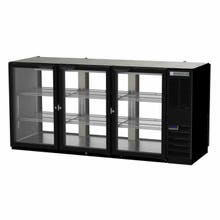
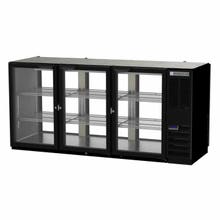
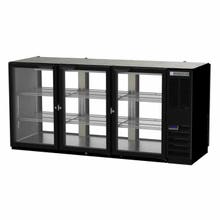
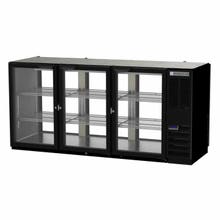
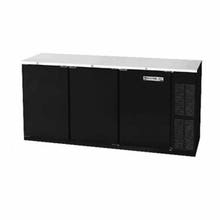
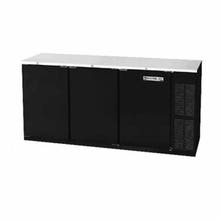
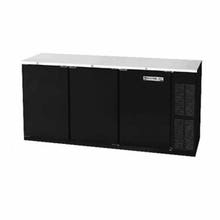
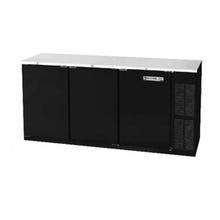
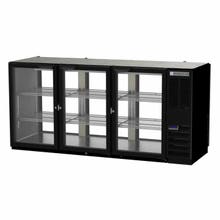
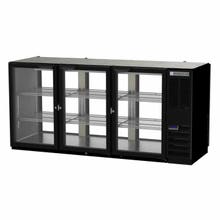
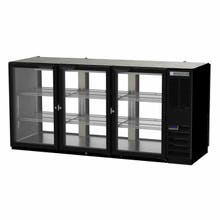
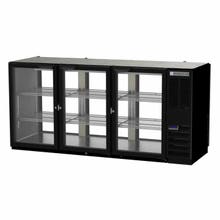
Pass Thru Refrigeration
Pass through refrigerator and freezer give you flexibility when you need to put your unit in a place that can be accessed from both sides. With doors on two sides of the refrigerator or freezer, pass-through refrigeration can be a great addition to your restaurant. Pass-thru refrigerators are perfect for high-volume restaurants in addition to cafeterias, schools, buffets, and healthcare settings. They give your back-of-house staff a place to put pre-plated salads, desserts, and other items to be held at low temperatures before serving. On the other side of the pass-thru, your front-of-house waitstaff can open the door and grab a salad or slice of cake for your hungry customers to speed up service. We offer pass-through freezers and refrigerators in various sizes and configurations. Making sure you have the right pass-through is important to the health of your business.
Four and six-door models (two and three doors on each side, respectively) allow you to save energy by only opening part of the box to hot air, allowing less cold air to escape. Knowing how often you’ll be opening the doors and what will be stored inside will help determine how many doors will work best for you. The doors can also be solid or glass. Solid doors provide more insulation and are more energy-efficient. However, glass doors allow your staff to look in the pass-through without opening the door. They’ll know what items are and be able to grab what they need quickly. They’ll also be able to keep track of how much stock is in the unit without opening it up. In the longer term, the ability to open the door less could save on energy costs.
The other variable to consider is where the compressor is located. Compressors need airflow, and the fewer particles are in that air, the better, and the colder the air, the better. Since hot air rises, a bottom-mount refrigerator might be better in a hot kitchen or prep line. A top mount pass-thru might be best to keep the compressor away from any ingredients that fall to the floor in a bakery, pizzeria, or other kitchens where lots of flour and similar dry ingredients are used. Be sure to check out our other refrigeration equipment, including reach-in refrigerators and freezers, undercounter units, worktop refrigeration, roll-in refrigeration, and walk-ins. You’ll also need to check out our food storage solutions to help keep your new pass-through refrigerator organized. We also carry hot pass-throughs and other warming equipment.