Why a Standard Display Case Won’t Cut It for Sushi
A deli case keeps food visible. A sushi case keeps raw fish safe to eat. Sushi demands tighter temperature control and glass that survives constant traffic without fogging or cracking, standards a general-purpose case was never built to meet.
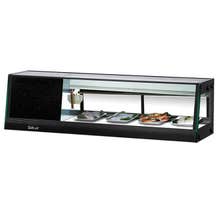
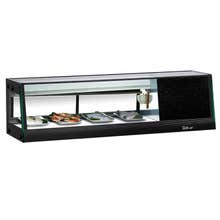
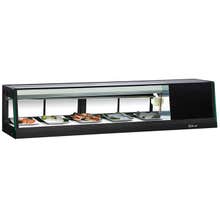
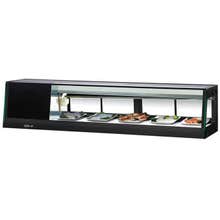
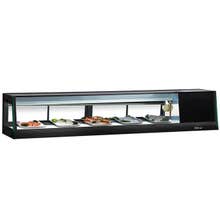
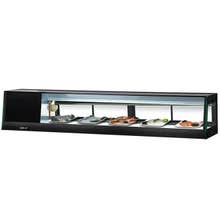
Restaurants serving sushi, hibachi, and other Asian-inspired menus need professional sushi display cases for restaurants that hold safe serving temperatures from open to close.
Precision Temperature & Humidity Control for Raw Fish Safety
Raw fish sits in a narrow safety window, usually between 32 and 38 degrees Fahrenheit, and even a few degrees off can turn a fresh sushi case into a health code violation. A refrigerated sushi case holds that range automatically while also managing humidity, so nigiri and sashimi don't dry out or sweat under the glass. Your staff checks a thermometer, not their gut, to know the case is doing its job.
Self-Contained vs. Remote Compressor: Which Fits Your Kitchen?
A self-contained sushi case packs the compressor right under the unit, so you plug it in and start selling the same day with no extra plumbing or ductwork required. A remote compressor moves that noise and heat to a back room or rooftop, which matters if your sushi bar sits in a tight, customer-facing space where every decibel and degree counts.
Smaller counter setups usually lean self-contained, while high-volume sushi bars often choose remote for quieter service and simpler long-term maintenance.
Curved Glass, Straight Glass, and the Art of the Sushi Bar Display
Curved glass wraps around the display like a stage, giving customers a wide, uninterrupted view of every roll from nearly any angle in the dining room. Straight glass sits flatter against the counter, saving floor space in tighter layouts while still showing off color and presentation.
Many professional sushi display cases for restaurants, including options in our refrigeration and ice lineup, now include anti-fog glass treatments that keep the view clear even as warm kitchen air meets the cold air inside a sushi bar display case. The right choice comes down to your counter space and how much the display needs to sell before a customer reaches the register.
Sushi Case FAQs
Why can't I just use a standard deli or bakery display case?
Deli and bakery cases can't hold raw fish at safe serving temperatures or manage the humidity sushi needs to stay fresh. A dedicated sushi case protects both food safety and presentation.
What specific temperature and humidity levels does it maintain?
Most sushi cases hold between 32 and 38 degrees Fahrenheit with controlled humidity to keep nigiri and sashimi from drying out or sweating
Should I get a self-contained or a remote compressor?
Self-contained units fit smaller counters with quick installs, while remote compressors suit high-volume bars needing quieter, cooler service up front.
Curved glass vs. straight glass: Which is better for sales?
Curved glass shows off product from more angles and often draws more attention, though straight glass saves space in tighter layouts. Sales depend more on lighting and organization than glass shape alone.
How do I prevent the glass from constantly fogging up?
Look for cases with anti-fog glass treatments or built-in heating elements along the pane, and keep the case away from direct drafts or open doors.
Please complete your information below to login.
Sign In
Create New Account