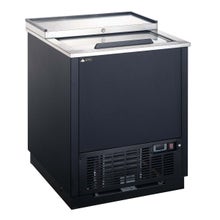
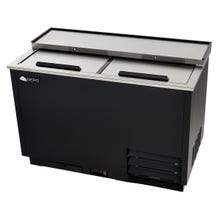
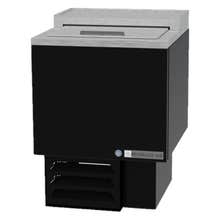
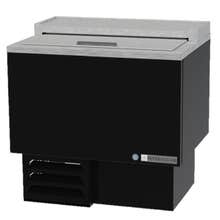
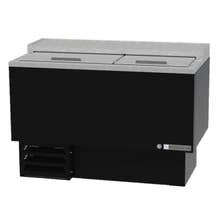
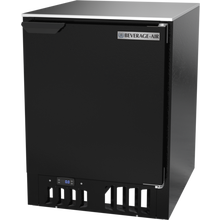
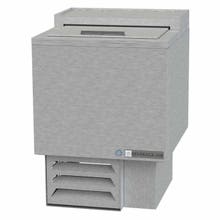
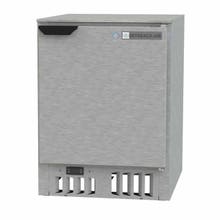
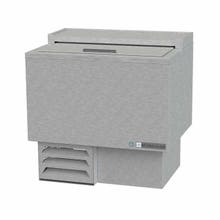
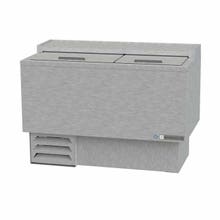
Glass & Plate Froster
Guests form an opinion about your bar or restaurant before they take their first sip. A frosted beer mug or ice-cold plate signals the kind of attention to detail that turns first-time customers into regulars. Glass chillers and mug frosters are a small equipment investment that shows up directly at the table.


How Glass Chillers and Mug Frosters Change What Guests Notice
Glass chillers and mug frosters are refrigerated units that hold glassware, mugs, and plates at temperatures between 23°F and 38°F, cold enough to keep a draft beer from warming fast and cold enough to give cold food presentations a professional edge.
Unlike a standard refrigerator, these units are built specifically for high-turnover glassware access, with interior configurations that hold multiple pieces upright and ready for immediate use.
A chilled vessel also slows ice melt and preserves the temperature of whatever you pour into it, which means a better product in your guest's hand from the first sip to the last.
Beer Mug Froster vs. Glass Chiller for Bar Use: Which One Do You Need?
A beer mug froster runs at temperatures below freezing, typically between 23°F and 28°F, which is what creates the visible frost layer on the outside of the glass that draft beer drinkers recognize on sight.
A glass chiller for bar use operates at a slightly warmer range, keeping glassware cold without frosting over, making it the better fit for cocktails, wine service, and water glasses where frost would look out of place. If draft beer is your primary focus, a mug froster delivers the presentation your customers expect.
For bars running a broader beverage menu, a glass chiller gives you the flexibility to serve every format cold without sub-freezing temperatures.
Plate Chillers and the Cold Service Stations That Depend on Them
Plate chillers keep serving plates at refrigerated temperatures so cold dishes hold their temperature from the kitchen to the table. Sushi presentations, raw bars, chilled salad courses, and cold appetizers all benefit from a plate that starts cold rather than a room-temperature surface that immediately begins warming the food.
For buffet operations and hotel dining setups, plate chillers are also a practical tool for maintaining HACCP-compliant cold food holding temperatures throughout service without relying on ice beds or extra equipment.
What to Look for When Buying Mug Chillers or Plate Chillers
The right mug chillers and plate chillers come down to your service style, your volume, and how much space you have available. Get these specs right before you order:
-
Capacity: Count how many mugs, glasses, or plates you need chilled simultaneously during peak service. The unit you buy should cover that number with enough room to rotate stock without gaps.
-
Temperature range: Mug frosters need to reach below freezing (23°F to 28°F) to produce the frost effect. Glass and plate chillers typically run warmer at 32°F to 38°F. Confirm the unit hits your target temp before purchasing.
-
Unit style: Countertop models suit lower-volume bars and restaurants with limited floor space. Freestanding units offer higher capacity for operations that need a larger chilled inventory on hand.
-
Loading configuration: Glass and mug units typically use hanging rod systems or shelving for upright storage. Plate chillers use flat shelf configurations. Make sure the interior fits what you are actually storing.
-
Door type: Glass doors let staff check inventory without opening the unit. Solid doors retain cold more effectively. Match the choice to how frequently your team accesses the unit during service.
FAQs About Glass Chillers and Mug Plate Chillers
What temperature should a commercial glass froster and plate chiller run at?
Glass frosters should run between 23°F and 28°F to produce the frost effect on the exterior of the glass. Plate chillers and standard glass chillers typically operate between 32°F and 38°F, keeping surfaces cold without crossing below freezing. Running either unit outside its recommended range affects food safety compliance and the quality of what you serve.
Why are my glasses cracking or sticking to the inside of the chiller?
Cracking almost always comes down to thermal shock. Glass that goes directly from a hot dishwasher into a sub-freezing froster expands and contracts faster than the material can handle, which causes fractures. Sticking happens when moisture on the glass surface freezes on contact with the interior racks. Both problems share the same fix: let glasses cool to room temperature and dry completely before loading them into the unit.
Does a mug chiller require a floor drain connection?
Most commercial mug chillers do not require a floor drain. They are self-contained refrigeration units, and condensation from the defrost cycle typically collects in an internal drain pan that either evaporates automatically or needs periodic manual emptying. Units with an automatic defrost function may include a drain line fitting that allows you to run a line to a floor drain if preferred.
Shop Mug & Plate Chillers at Restaurant Equippers Today
Restaurant Equippers is a privately owned family business that has run on the same model since 1966: buy in bulk, cut the frills, and pass the savings directly to food service operators like you. Order before 3PM at any of our three warehouse locations and pick up most items within two hours.
Please complete your information below to login.
Sign In
Create New Account